In This Article
- Why sippy cups help babies build real “cup skills” (not just reduce spills)
- Sippy vs straw: what to choose first, and why many families start with sippy
- A quick shopping checklist for you
You buy a cup. Your baby rejects it. You buy another cup. Now you have a whole shelf of cups.
|And the internet is yelling: “Skip the sippy!” “No, sippy first!”
Here’s the simple take: for most babies, a sippy cup is a great first step because it helps them actually practice cup drinking every day. And daily practice is what builds the skill.
The developmental reasons sippy cups matter: they make “cup skills” achievable
Cup drinking is not one skill. It’s a few small skills put together.
What babies are learning:
- Hold the cup steady
- Bring it to the mouth
- Sip (small amounts)
- Swallow safely
Why we recommend a sippy cup early:
- Easier first success (many babies manage a spout sooner than a straw)
- Less mess → you offer the cup more often
- More practice → faster progress
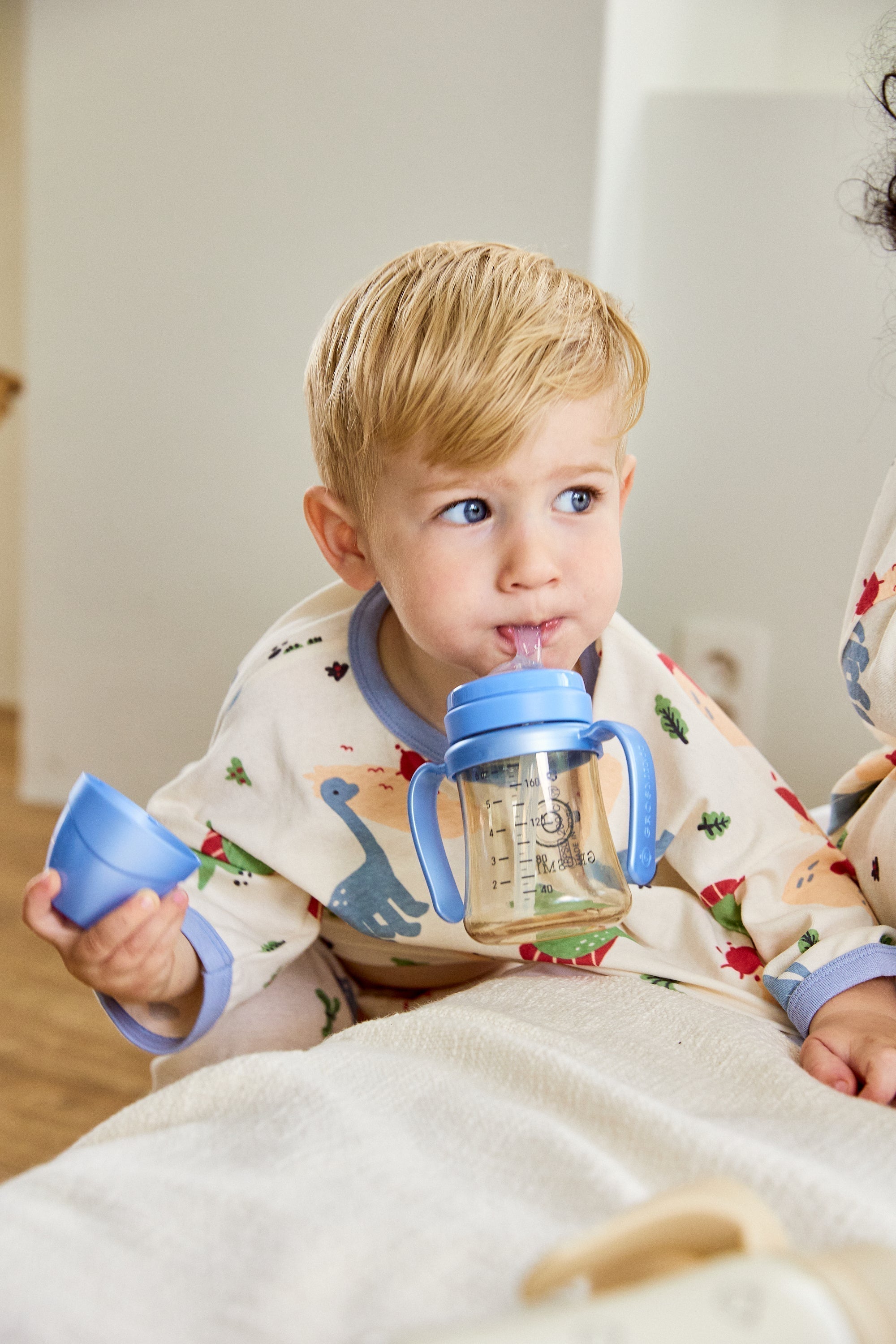
The American Academy of Pediatrics (AAP) also supports offering a cup around solids (often ~6 months) and says you can use a sippy (training) cup. Nationwide Children’s Hospital even suggests a super simple start: at about 6 months, let your baby hold an empty open sippy or 360° cup with handles during a daily meal to practice.

Sippy cup or straw cup first?
Here’s the quick answer: start with what gets you consistent practice. For many families, that’s a sippy cup first.
Start with a sippy cup if you want:
- Quick wins (baby drinks sooner)
- Easy daily practice
- Less spill stress
Start with a straw cup if:
- Your baby “gets it” quickly
- You mostly practice at calm mealtimes
- You don’t mind more early spills
In a nutshell, use a sippy cup first for confidence and make it a routine. Then, add straw once your baby is ready. Keep moving toward "regular cup" skills over time.
Quick shopping checklist
Use this list so you don’t overbuy.
- Easy to clean (fewer parts is better)
- Easy to hold (handles or a good grip shape)
- Gentle on gums (good for teething months)
- Leak-resistant for real life (but not so sealed it forces sucking)
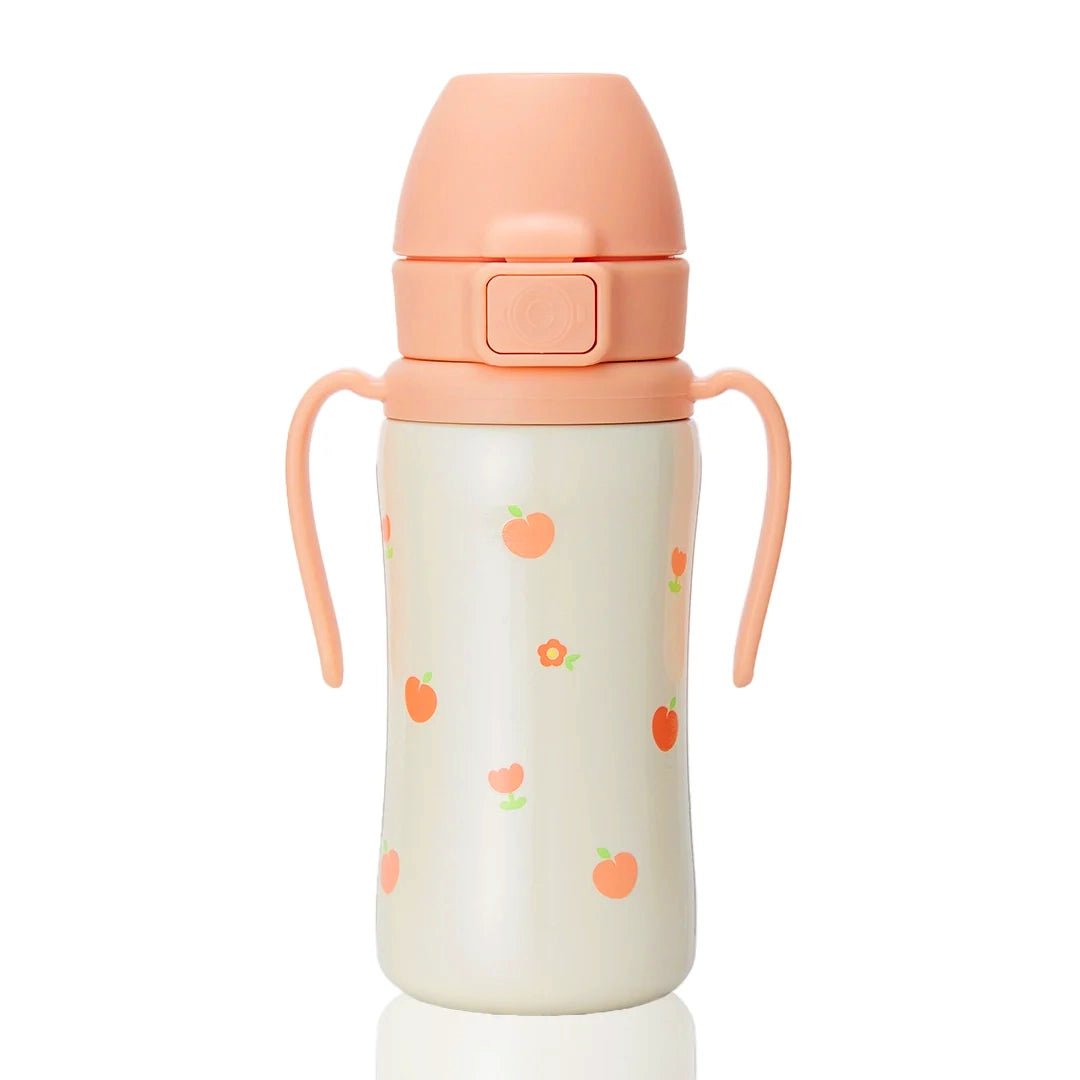
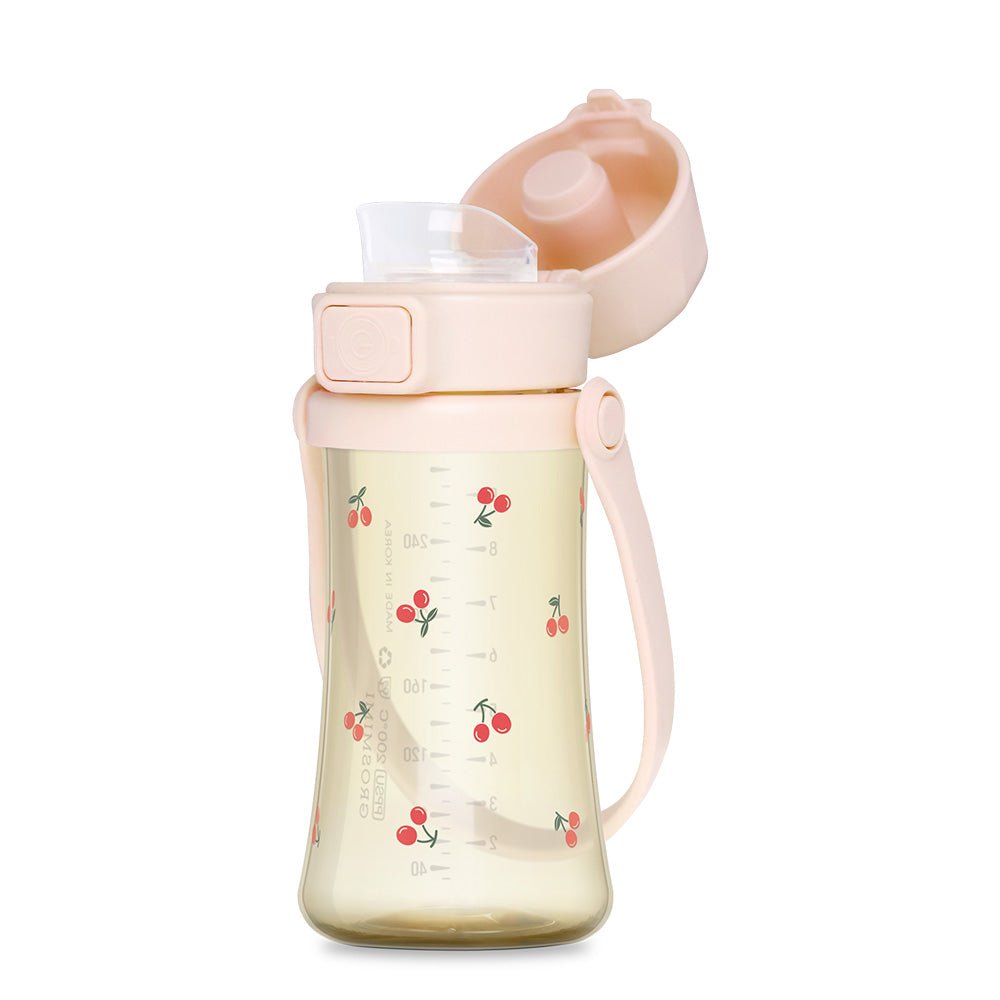
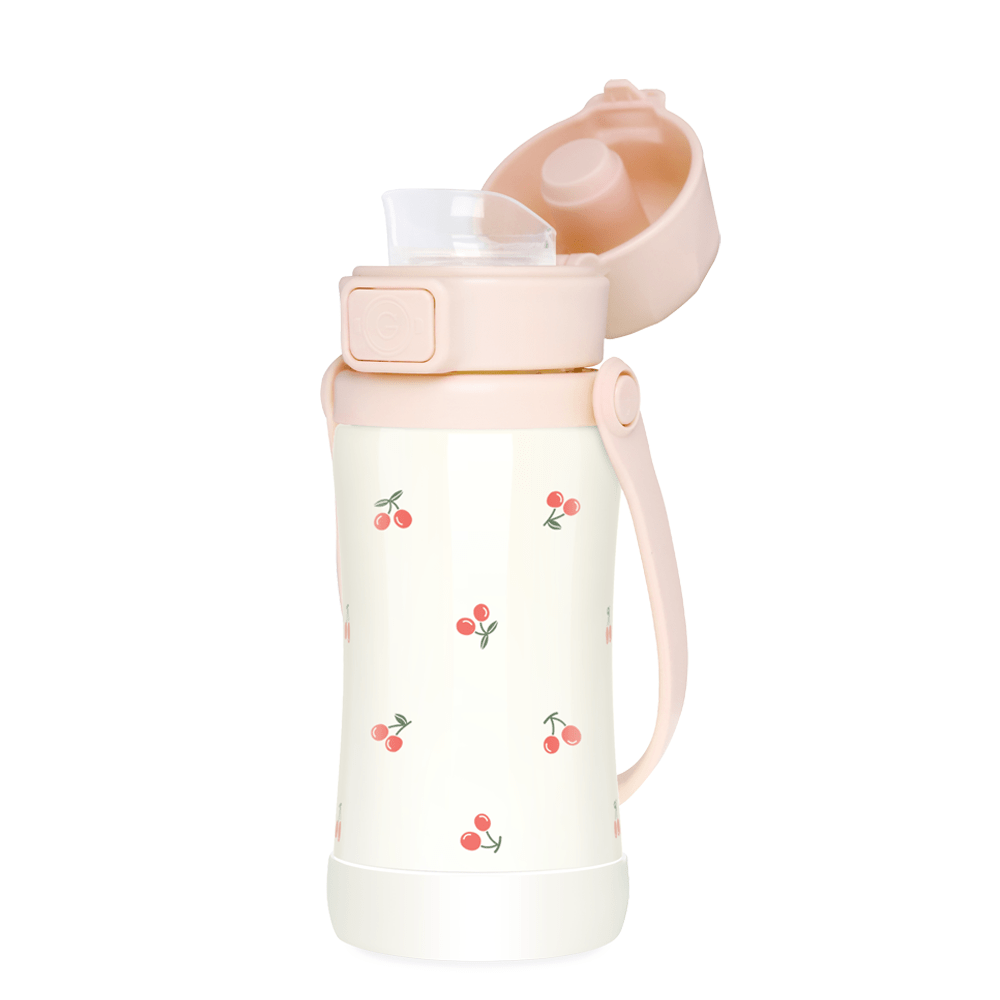
👉 Go buy an easy-to-clean, spill-proof sippy cup for a perfect transition 💚
If your baby is starting solids and you want a smooth transition, a sippy cup is a smart first move.
It makes cup practice easier, and easier practice is what turns into real skills.
Final Takeaways
- Start cup practice around solids (often ~6 months).
- We recommend sippy cups early because they make practice easier and more consistent.
- A simple path works: sippy first → add straw → build real cup skills.
Related post: Why Your Toddler Refuses Milk from a Sippy Cup: 7 Ways to Transition from Bottle to Cup
Sources
- Nationwide Children's, "Weaning Your Baby: Cup Feeding"
- U.S. Centers for disease control and prevention, "Fingers, Spoons, Forks, and Cups"